
Introduction
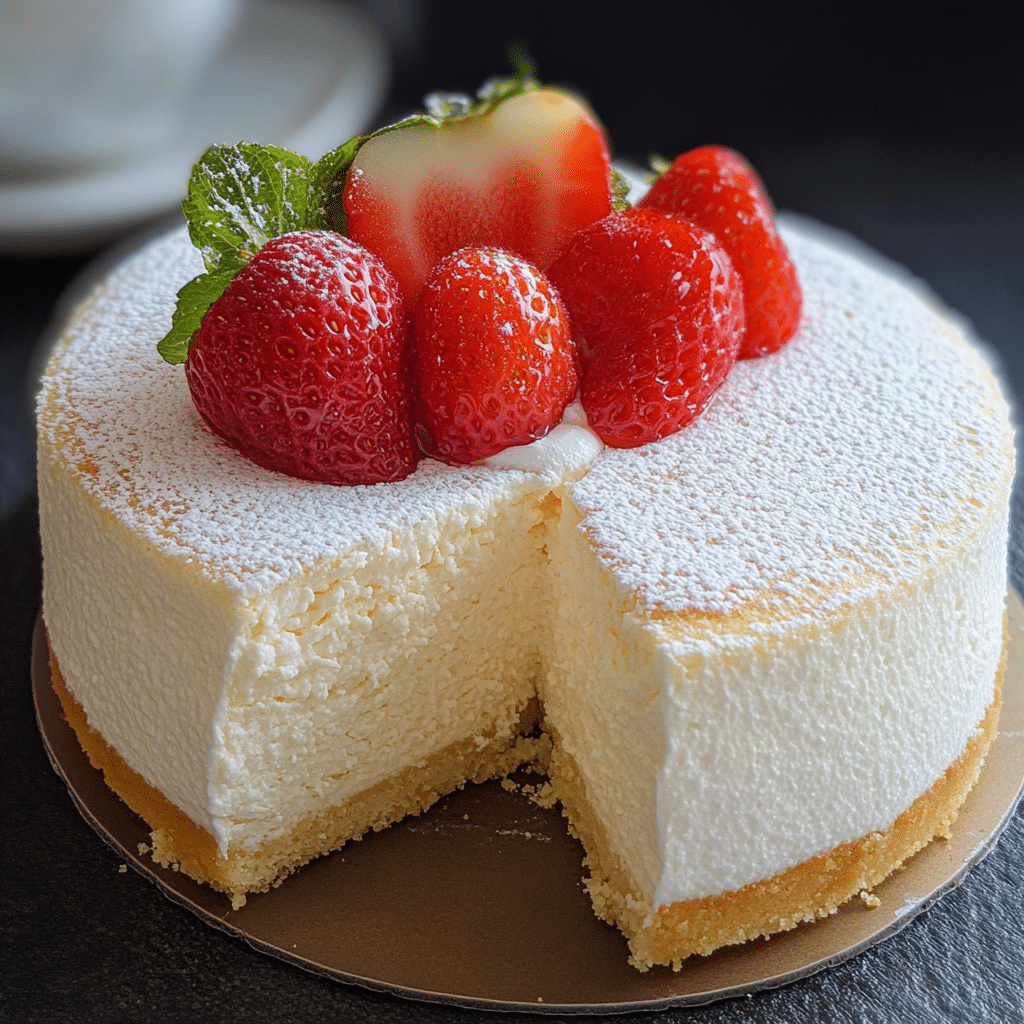
Japanese Cheesecake, also known as Japanese cotton cheesecake or souffle cheesecake, is famous for its light, fluffy, and jiggly texture. Unlike traditional cheesecakes, this one is more like a delicate sponge cake with a rich yet airy bite. It’s a delightful blend of a cheesecake’s creamy flavor and a souffle’s soft, cloud-like texture.
I first tried making this when I was craving something lighter than the usual dense cheesecake, and it turned out to be a total game-changer. The result was a cheesecake that was soft, slightly sweet, and melt-in-your-mouth delicious. It’s such a versatile dessert too—perfect for afternoon tea, birthday celebrations, or just as a sweet treat after dinner. You can top it with fresh fruit or a drizzle of berry compote to add even more flavor.
What’s great about this Japanese Cheesecake is that despite its delicate appearance, it’s surprisingly easy to make. With just a few ingredients and a little patience, you’ll have a cheesecake that’s as light as a cloud and bursting with flavor. Whether you’re a cheesecake lover or someone new to the world of desserts, this one’s bound to become a favorite!
Perfect for:
- Afternoon tea
- Special celebrations
- Casual desserts
- Cheesecake lovers
- Light and fluffy dessert fans
Why You’ll Love This Japanese Cheesecake
Here’s why Japanese Cheesecake will become your new favorite:
- Light and Airy Texture: Unlike dense cheesecakes, this one is soft, bouncy, and melts in your mouth.
- Balanced Sweetness: The subtle sweetness and slight tang from the cream cheese make it a perfectly balanced treat.
- Unique Baking Technique: The combination of a meringue base and a water bath creates its distinct texture.
- Impressive Yet Simple: While it looks impressive, this recipe is quite approachable with the right techniques.
- Versatile Presentation: Dress it up with powdered sugar, fresh fruits, or a drizzle of fruit sauce.
Preparation and Cooking Time
- Total Time: 2 hours
- Preparation Time: 30 minutes
- Cooking Time: 1 hour 10 minutes
- Servings: 8
- Calories per serving: Approximately 220 calories
- Key Nutrients: Protein: 5g, Carbs: 18g, Fat: 15g
Ingredients
Gather these ingredients to make your Japanese Cheesecake:
- 7 ounces (200g) cream cheese, softened
- 4 tablespoons unsalted butter
- ½ cup whole milk
- 6 large eggs, separated
- ¾ cup granulated sugar (divided)
- ¾ cup cake flour, sifted
- 2 tablespoons cornstarch
- 1 teaspoon vanilla extract
- 1 tablespoon lemon juice (optional)
- ¼ teaspoon salt
- Powdered sugar for dusting (optional)
Ingredient Highlights
- Cream Cheese: The base of the cheesecake, providing a creamy and tangy flavor.
- Egg Whites (Meringue): Whipped into soft peaks, the egg whites create the signature fluffy texture.
- Cake Flour: Gives the cake a softer and more tender crumb compared to all-purpose flour.
- Milk: Adds moisture and richness to the batter.
- Butter: Contributes to the cake’s richness and silky mouthfeel.
Step-by-Step Instructions
Here’s how to make Japanese Cheesecake:
Prepare the Batter:
- Preheat the Oven: Preheat your oven to 320°F (160°C). Line the bottom of a 9-inch springform pan with parchment paper and wrap the outside with aluminum foil to prevent water from leaking in during the water bath.
- Melt and Mix: In a heatproof bowl over a pot of simmering water (double boiler), melt the cream cheese, butter, and milk. Stir until smooth, then remove from heat. Let it cool slightly.
- Add Yolks and Dry Ingredients: Whisk the egg yolks into the cream cheese mixture, followed by the vanilla extract and lemon juice. Sift in the cake flour and cornstarch, then gently whisk until smooth.
- Prepare the Meringue: In a clean bowl, beat the egg whites with a pinch of salt until frothy. Gradually add the sugar, one tablespoon at a time, and continue beating until soft peaks form.
- Fold the Meringue: Fold one-third of the meringue into the batter to lighten it, then gently fold in the rest in two additions. Be careful not to deflate the batter.
Bake the Cheesecake:
- Pour and Prepare for Water Bath: Pour the batter into the prepared pan. Place the pan in a larger baking dish and fill the dish with hot water halfway up the sides of the cake pan.
- Bake: Bake for 60-70 minutes, or until the top is golden brown and a skewer inserted into the center comes out clean. Turn off the oven and let the cake cool inside the oven with the door slightly open for 15-20 minutes.
- Cool Completely: Remove from the oven and let it cool to room temperature. Dust with powdered sugar before serving, if desired.
How to Serve Japanese Cheesecake
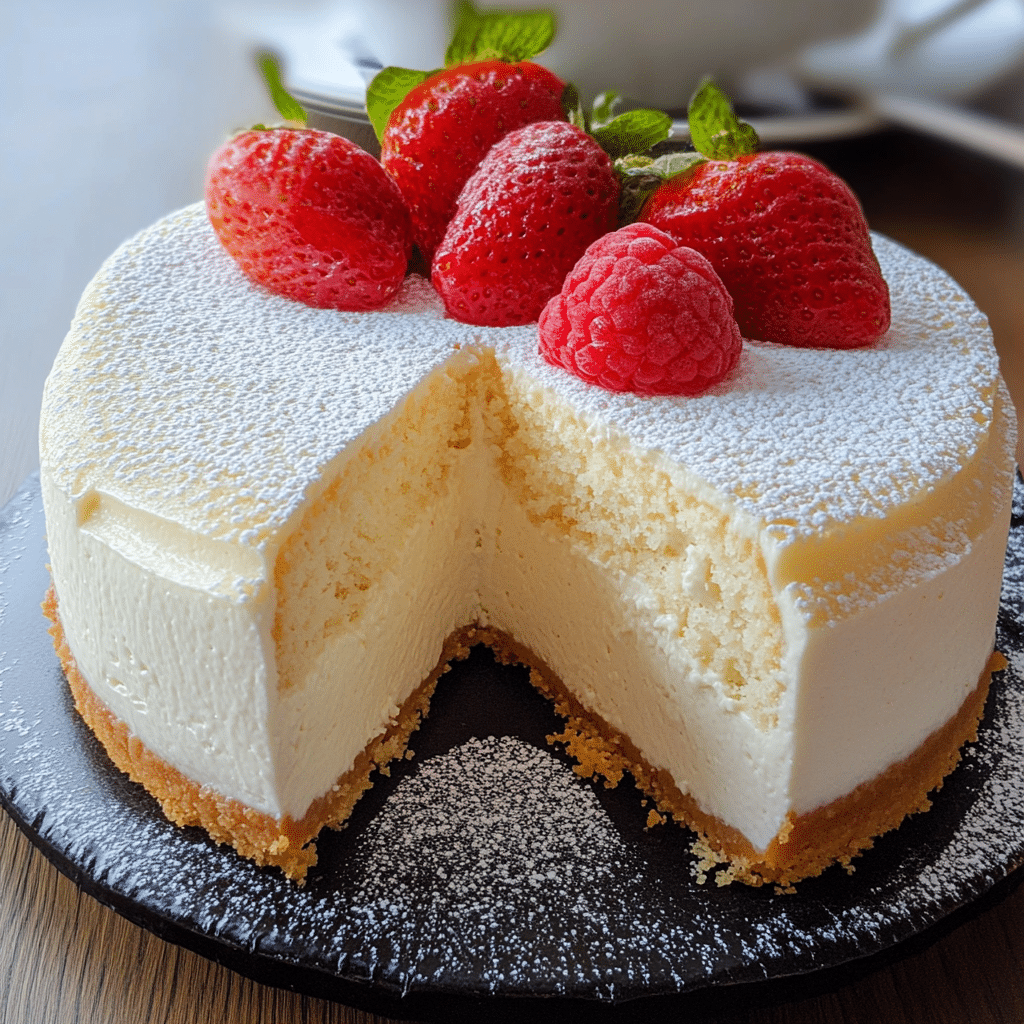
Japanese Cheesecake is best served slightly warm or at room temperature. Here are some ways to enjoy it:
- With Fresh Fruit: Serve with strawberries, blueberries, or mango slices for a fresh burst of flavor.
- With Whipped Cream: Add a dollop of lightly sweetened whipped cream for an extra touch of indulgence.
- With Fruit Sauce: Drizzle with raspberry or lemon sauce for a tangy contrast.
- As-Is: Enjoy the pure, fluffy goodness on its own with a light dusting of powdered sugar.
Additional Tips for Japanese Cheesecake
Here are some tips to ensure your Japanese Cheesecake turns out perfect every time:
- Room-Temperature Ingredients: Make sure your eggs and cream cheese are at room temperature for a smoother batter.
- Whip the Egg Whites Properly: Soft peaks are key for a light and airy texture. Overbeaten meringue will cause the cake to collapse.
- Water Bath is Essential: This prevents the cake from cracking and keeps it moist. Ensure the foil is tightly wrapped to avoid water leaking into the pan.
- Cool Gradually: Cooling in the oven helps prevent the cake from shrinking or collapsing.
- Sift the Flour: Sifting ensures a lump-free batter and a more tender cake.
- Use Cake Flour: For the best texture, avoid substituting with all-purpose flour.
Recipe Variations for Japanese Cheesecake
Here are 10 variations you can try for Japanese Cheesecake:
- Matcha Japanese Cheesecake: Add 1 tablespoon of matcha powder for a green tea twist.
- Chocolate Japanese Cheesecake: Mix in 2 tablespoons of cocoa powder for a chocolate version.
- Strawberry Japanese Cheesecake: Fold in fresh strawberry puree for a fruity flavor.
- Coffee Japanese Cheesecake: Add 1 tablespoon of instant coffee powder dissolved in 1 tablespoon of hot water.
- Lemon Japanese Cheesecake: Increase the lemon juice to 2 tablespoons and add lemon zest for a more pronounced citrus flavor.
- Blueberry Japanese Cheesecake: Swirl in blueberry sauce before baking for a marbled effect.
- Vanilla Bean Japanese Cheesecake: Use a vanilla bean pod for a more intense vanilla flavor.
- Orange Japanese Cheesecake: Add orange zest for a bright and fragrant variation.
- Ube Japanese Cheesecake: Add ube extract and a bit of purple food coloring for a stunning ube version.
- Mango Japanese Cheesecake: Fold in mango puree for a tropical twist.
Freezing and Storage for Japanese Cheesecake
- Freezing: Wrap individual slices in plastic wrap and store them in a zip-top bag in the freezer for up to 2 months. Thaw at room temperature before serving.
- Storage: Store leftover cheesecake in an airtight container in the refrigerator for up to 5 days.
Special Equipment for Japanese Cheesecake
Here are some special equipment items to make preparing your Japanese Cheesecake easier:
- Springform Pan: Ensures easy removal of the delicate cake.
- Double Boiler: Useful for melting the cream cheese, butter, and milk without scorching.
- Hand or Stand Mixer: Essential for whipping the egg whites to the perfect consistency.
- Sifter: For lump-free flour and a smooth batter.
- Oven Thermometer: Ensures accurate baking temperature.
- Aluminum Foil: Prevents water from entering the pan during the water bath.
- Zester: For lemon or orange variations.
- Cooling Rack: For cooling the cheesecake evenly.
Frequently Asked Questions for Japanese Cheesecake
- Can I use all-purpose flour instead of cake flour?
It’s best to use cake flour for the softest texture, but you can substitute with all-purpose flour and cornstarch (¾ cup all-purpose flour + 2 tablespoons cornstarch). - What if I don’t have a springform pan?
You can use a regular cake pan, but it might be harder to remove the cake. Line it with parchment paper for easier removal. - Why did my cheesecake deflate?
This is usually caused by overmixing the batter or underbaking the cake. Make sure to bake it thoroughly and cool it gradually. - Can I freeze Japanese Cheesecake?
Yes! It freezes well. Just wrap it tightly to prevent freezer burn. - Can I reduce the sugar?
Yes, but reducing the sugar too much will affect the texture and stability of the meringue.
Japanese Cheesecake

Japanese Cheesecake, also known as Japanese cotton cheesecake or souffle cheesecake, is famous for its light, fluffy, and jiggly texture. Unlike traditional cheesecakes, this one is more like a delicate sponge cake with a rich yet airy bite. It’s a delightful blend of a cheesecake’s creamy flavor and a souffle’s soft, cloud-like texture. Perfect for any occasion, Japanese Cheesecake is a show-stopper that melts in your mouth with every bite.
- Prep Time: 30 minutes
- Cook Time: 1 hour 10 minutes
- Total Time: 2 hours
- Yield: 8 servings 1x
Ingredients
- 7 ounces (200g) cream cheese, softened
- 4 tablespoons unsalted butter
- ½ cup whole milk
- 6 large eggs, separated
- ¾ cup granulated sugar (divided)
- ¾ cup cake flour, sifted
- 2 tablespoons cornstarch
- 1 teaspoon vanilla extract
- 1 tablespoon lemon juice (optional)
- ¼ teaspoon salt
- Powdered sugar for dusting (optional)
Ingredient Highlights
- Cream Cheese: The base of the cheesecake, providing a creamy and tangy flavor.
- Egg Whites (Meringue): Whipped into soft peaks, the egg whites create the signature fluffy texture.
- Cake Flour: Gives the cake a softer and more tender crumb compared to all-purpose flour.
- Milk: Adds moisture and richness to the batter.
- Butter: Contributes to the cake’s richness and silky mouthfeel.
Instructions
Prepare the Batter:
- Preheat the Oven: Preheat your oven to 320°F (160°C). Line the bottom of a 9-inch springform pan with parchment paper and wrap the outside with aluminum foil to prevent water from leaking in during the water bath.
- Melt and Mix: In a heatproof bowl over a pot of simmering water (double boiler), melt the cream cheese, butter, and milk. Stir until smooth, then remove from heat. Let it cool slightly.
- Add Yolks and Dry Ingredients: Whisk the egg yolks into the cream cheese mixture, followed by the vanilla extract and lemon juice. Sift in the cake flour and cornstarch, then gently whisk until smooth.
- Prepare the Meringue: In a clean bowl, beat the egg whites with a pinch of salt until frothy. Gradually add the sugar, one tablespoon at a time, and continue beating until soft peaks form.
- Fold the Meringue: Fold one-third of the meringue into the batter to lighten it, then gently fold in the rest in two additions. Be careful not to deflate the batter.
Bake the Cheesecake:
- Pour and Prepare for Water Bath: Pour the batter into the prepared pan. Place the pan in a larger baking dish and fill the dish with hot water halfway up the sides of the cake pan.
- Bake: Bake for 60-70 minutes, or until the top is golden brown and a skewer inserted into the center comes out clean. Turn off the oven and let the cake cool inside the oven with the door slightly open for 15-20 minutes.
- Cool Completely: Remove from the oven and let it cool to room temperature. Dust with powdered sugar before serving, if desired.
Nutrition
- Calories: 220 kcal
- Fat: 15g
- Carbohydrates: 18g
- Protein: 5g
Conclusion
Japanese Cheesecake is a dreamy dessert that combines the rich, creamy taste of cheesecake with an airy, fluffy texture that melts in your mouth. Its delicate sweetness makes it an ideal treat for any occasion, whether you’re serving it for a special celebration or just as a comforting treat for yourself.
The beauty of this cheesecake is in its simplicity—serve it plain for a classic experience, or get creative with a dusting of powdered sugar or a topping of fresh fruit for a burst of flavor. No matter how you enjoy it, this cheesecake will surely become a favorite.
I’d love to see how your Japanese Cheesecake turns out! Snap a photo, share it on social media, and don’t forget to tag me—I can’t wait to see your creation! Happy baking!